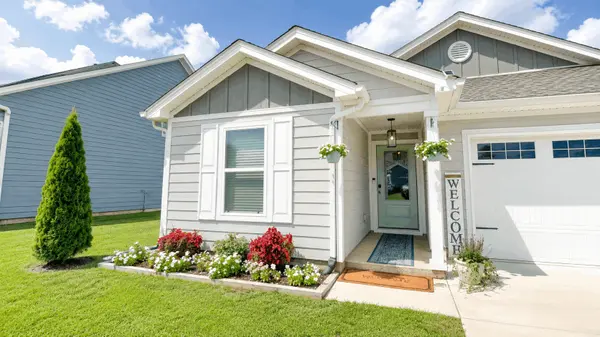
Selling Before Buying in Middle Tennessee: How to Use Your Equity Without Becoming House Poor

Selling Before Buying in Middle Tennessee: How to Use Your Equity Without Becoming House Poor
This is Part 2 of my 5-part series on selling and buying at the same time in Murfreesboro and Middle Tennessee.
In Part 1, we talked about how to prepare your house before listing — the decluttering, repairs, curb appeal, paint touch-ups, cleaning, and all the behind-the-scenes work that helps your home make a strong first impression.
Now we need to talk about the part that keeps many sellers up at night:
How do you sell your current home and buy the next one without making a financial decision you regret?
Because for most move-up buyers, selling is only one side of the equation.
You are not just trying to get your current home sold. You are trying to use that sale to step into your next season of life wisely.
For my family, that was exactly the situation. We listed our first home in Murfreesboro in February 2026, went under contract quickly, and used the equity from that sale to buy more house while keeping our monthly payment about the same.
That did not happen by accident.
It took preparation, lender conversations, budgeting, strategy, and a clear understanding of what we could comfortably afford.
Quick Answer: Can I Sell My House Before Buying Another One?
Yes, you can sell your house before buying another one, and many Middle Tennessee homeowners do exactly that when they need the equity from their current home to purchase their next one.
The key is to plan early. Before you list, you need to understand your estimated home value, how much equity you may have, what your next monthly payment could look like, whether you need a home sale contingency, and what financing options are available to you.
In other words, do not wait until your house is under contract to start figuring out how you will buy the next one.
Start before the sign goes in the yard.
Thinking about selling your current home and buying your next one in Murfreesboro or Middle Tennessee? Schedule a seller and move-up buyer strategy call with me. We can talk through your home value, your timeline, your equity, your next purchase, and what steps make the most sense for your family.
Our Real-Life Murfreesboro Move-Up Story
In 2026, my family sold our home at 2412 Alberto Dr in Murfreesboro, TN.
We listed on February 12, 2026.
We went under contract on February 20, 2026.
We closed on March 31, 2026.
We listed the home for $409,900 and sold it for $405,000.
It was our first home. We bought it in October 2022, and the day before we closed on it, I found out I was pregnant with our first child.
By the time we sold, life looked very different.
We had two little ones. My husband’s mother was living with us, and we were caregiving for her. We also love hosting out-of-state family, and we needed more space for the way our family actually lives.
So yes, the move was about square footage.
But it was also about function, family, caregiving, hosting, and the next season of life.
That is what I want sellers to understand. The numbers matter deeply, but the move is not only about numbers.
It is about building a life that works.
Start With the Question: Why Are You Moving?
Before we ever talk about a list price, lender, payment, or offer strategy, I like to ask one simple question:
Why are you moving?
Are you outgrowing your current home?
Do you need a one-level floor plan?
Are you caring for aging parents?
Do you need more bedrooms?
Do you want a bigger yard?
Are you trying to get closer to family, work, school, or church?
Are you trying to lower your payment?
Are you trying to use your equity before making the next move?
Your “why” matters because it affects every decision.
For us, we needed more house, but we did not want to become house poor. We were not trying to win a bigger house at any cost. We were trying to make a wise move for our family.
That is the difference between buying emotionally and buying strategically.
Step 1: Know Your Current Home Value
Before you can make a plan for your next home, you need a realistic idea of what your current home may sell for.
Not a Zestimate.
Not what your neighbor hopes their house is worth.
Not what you need it to sell for.
A realistic value based on current market data, comparable sales, condition, location, upgrades, buyer demand, and competition.
This is where a professional home valuation matters.
If you are thinking about selling, you can start by requesting a home valuation, but the most accurate number usually comes after I walk through the home, see its condition, review updates, and compare it to what buyers are choosing right now.
Your estimated sale price helps us think through:
- How much equity you may have
- How much you may net after selling costs
- How much cash you may have available for the next purchase
- What price range may make sense for your next home
- Whether you need to sell first or can buy first
- How competitive your next offer may be
This is the first piece of the puzzle.
Step 2: Understand Your Equity
Equity is the difference between what your home is worth and what you still owe on it.
For example, if your home might sell for $405,000 and your mortgage payoff is $300,000, your gross equity would be about $105,000 before selling costs, commissions, prorations, taxes, repairs, and other closing-related expenses.
Your net proceeds are what you actually walk away with after everything is paid.
That number matters because many move-up buyers use their net proceeds for:
- Down payment on the next home
- Closing costs
- Moving costs
- Repairs or updates after moving
- Paying off debt
- Emergency savings
- Temporary housing if needed
Do not spend your equity in your mind before you know the real numbers.
A good listing plan should include a realistic net sheet so you can see an estimate of what you may walk away with at different sale prices.
Step 3: Talk to a Local Lender Early
This is one of the biggest pieces of advice I can give you:
Talk to a lender before your house hits the market.
Not after.
Before.
If you are selling and buying at the same time, your lender needs to understand the whole picture. They need to know you are selling your current home, using equity, possibly making an offer with a home sale contingency, and trying to line up two major transactions.
A local lender can also help you understand what your next monthly payment may look like once you factor in the full payment — not just principal and interest.
Your real monthly payment may include:
Principal
Interest
Property taxes
Homeowners insurance
PMI, if applicable
HOA dues, if applicable
Taxes and insurance can vary a lot across Murfreesboro, Rutherford County, and Middle Tennessee depending on the home, county, insurance market, property value, and neighborhood.
That is why it is so important to look at the full payment, not just the purchase price.
If you want a deeper breakdown, I have a full guide on how much mortgage you can afford.
Why I Recommend Local Lenders
When you are buying in a competitive market, the lender matters.
I am not saying you can never use a big bank or online lender. You absolutely can choose your own lender. There is no pressure from me to use a specific person.
But I do encourage serious buyers to talk to more than one lender, and I strongly recommend including a trusted local lender in that conversation.
Why?
Because when we are writing an offer on a house, communication matters.
I want a lender who will answer the phone.
I want a lender who understands Middle Tennessee contracts.
I want a lender who can talk through timelines quickly.
I want a lender who has a good reputation with local listing agents.
I want a lender who will be honest if something needs to be addressed before we submit an offer.
Sometimes the strongest offer is not just the highest price. Sometimes it is the offer that gives the seller the most confidence that the buyer can actually close.
A strong local lender can help with that.
Local Lenders I Currently Recommend
I always encourage buyers to compare options and choose the lender that makes the most financial sense for them. Every lender may offer slightly different programs, rates, fees, and options at different times.
These are local lenders I currently trust and have been comfortable recommending:
Dave Gober with First National Bank of Middle Tennessee
Phone: (615) 585-2269
Karren Welborn with Primis Mortgage
Phone: (615) 556-9988
Carly Lamb with Paramount Residential Mortgage Group
Phone: (615) 410-8189
You are never required to use a lender I recommend. My goal is simply to help you get connected with people who communicate well and can help you understand your options.
Step 4: Get Pre-Approved, Not Just Pre-Qualified
If you are serious about buying your next home, you need to know the difference between being pre-qualified and pre-approved.
A pre-qualification is usually a more basic estimate based on information you provide.
A pre-approval is stronger because the lender has typically reviewed more of your financial information.
When you are selling and buying at the same time, a stronger lender letter can make your offer more competitive, especially if you are also asking the seller to accept a home sale contingency.
For a deeper explanation, you can read my guide on pre-qualified vs. pre-approved.
In our own move, we were prepared with pre-approval conversations from more than one lender. They had our information and were ready to help us move quickly once we found the right house.
That preparation mattered.
Step 5: Decide What Monthly Payment Actually Feels Comfortable
This is where I want you to be honest with yourself.
Just because a lender approves you for a certain amount does not mean you need to spend that amount.
The goal is not to be approved for the biggest number possible.
The goal is to buy a home you can actually enjoy living in.
I like the phrase:
House happy, not house poor.
A conservative rule of thumb is to try to keep your mortgage payment at or below about 25% of your take-home pay, but every family’s situation is different. Your comfort level may depend on childcare, debt, business income, savings goals, giving, retirement contributions, medical expenses, family support, and the life you are trying to build.
Before you shop seriously, look at your actual monthly budget.
Ask yourself:
What payment feels comfortable?
What payment feels stressful?
How much do we want left over each month?
Are property taxes likely to change?
How much will insurance cost?
Will there be HOA dues?
Will we need money for furniture, repairs, or updates?
Are we comfortable if utilities are higher in the next house?
Are we planning for another child, job change, business investment, or family need?
A house should support your life, not squeeze all the joy out of it.
Step 6: Understand the Financing Terms You May Hear
When you are selling and buying at the same time, you may hear several financing terms. Some may apply to you, and some may not.
Here is the simple version.
What Is a Home Sale Contingency?
A home sale contingency means your purchase of the next home depends on the sale of your current home.
For example, if you make an offer on a house but need the proceeds from your current home to buy it, your offer may be contingent on your current home selling and closing.
This can make your offer a little more complicated, but it does not automatically make it weak.
The stronger your current listing looks, the better.
If your home is already active, priced well, professionally photographed, showing beautifully, and under contract with a qualified buyer, that gives the seller more confidence.
This is why preparation matters before you list.
What Is a Bridge Loan?
A bridge loan is a short-term loan that may help you buy your next home before your current home sells.
It can be helpful in certain situations, but it is not the right fit for everyone. Bridge loans can involve additional costs, timing considerations, and qualification requirements.
This is something to discuss carefully with a lender.
What Is a HELOC?
A HELOC stands for home equity line of credit.
It allows you to borrow against the equity in your current home. Some homeowners consider a HELOC before selling, but timing matters. It may not be available or advisable once your home is already listed, and it can affect your debt and loan qualification.
Again, this is lender-specific and situation-specific.
What Is Recasting a Mortgage?
A mortgage recast is when you make a large principal payment after closing, and the lender recalculates your monthly payment based on the lower loan balance.
Some buyers use this strategy if they buy before selling, then apply proceeds from the sale of their previous home after it closes.
Not all loans allow recasting, and lenders may have rules and fees, so ask about this early if it might be part of your plan.
What Is a Temporary Buydown?
A temporary buydown is a financing strategy where money is paid upfront to temporarily reduce the buyer’s interest rate for the first year or first few years of the loan.
This may lower the initial monthly payment, but it is important to understand what the payment will become after the buydown period ends.
Do not only ask, “Can I afford year one?”
Ask, “Can I afford the long-term payment?”
Step 7: Think Through Timing Before You List
Selling and buying at the same time is a timing puzzle.
A few things need to work together:
When your current home goes active
How quickly it goes under contract
How long the buyer needs to close
When you find your next home
Whether your offer includes a sale contingency
Whether you need temporary occupancy after closing
Whether the seller of your next home needs time to move
Whether you have a backup housing option
In our case, our home went under contract before we had secured the next one. That can feel stressful, but it also made our offer stronger once we did find the right house because our home was already under contract.
A listing agent reviewing a contingent offer will often want to know:
Is the buyer’s current home listed?
Is it under contract?
How strong is that contract?
When is it scheduled to close?
Has the buyer been pre-approved?
Does the buyer have a local lender?
Are there inspection, appraisal, or financing concerns?
The more prepared you are, the easier it is for me to communicate your strength as a buyer.
Middle Tennessee Seller Tip
If you know you need to sell before buying, do not wait to prepare your next purchase strategy.
Before your home hits the market, talk to a lender, review your likely net proceeds, decide on a comfortable monthly payment, and identify your must-haves for the next home.
The goal is not just to sell well.
The goal is to move well.
Step 8: Do Not Let Equity Make You Overconfident
Equity is a blessing, but it can also create temptation.
When you see a large number on paper, it is easy to start stretching.
A little more house.
A little higher payment.
A few more upgrades.
A neighborhood that is just outside the budget.
But remember, your equity has jobs to do.
It may need to cover your down payment, closing costs, moving expenses, repairs, furniture, emergency savings, and breathing room.
You do not want to walk into the next house with no margin.
That is why I care so much about the monthly payment. I want my clients to love the house and still have room to live their life.
Step 9: Build Your Plan With Both Sides in Mind
A lot of people treat selling and buying like two separate transactions.
Technically, they are.
Emotionally and financially, they are deeply connected.
If you sell too low, it affects your buying power.
If you overbuy, it affects your monthly peace.
If your listing is not prepared well, it may weaken your offer on the next house.
If your lender is not responsive, it can make your offer feel riskier.
If you panic buy, you may regret the home long after the closing excitement wears off.
My job is to help you see the whole board.
The sale price.
The net proceeds.
The next payment.
The timing.
The contingency.
The offer terms.
The inspection.
The appraisal.
The family needs.
The emotional reality.
That is why I believe selling and buying at the same time should start with one thoughtful strategy conversation.
Thinking About Selling and Buying at the Same Time?
If you are in Murfreesboro, Rutherford County, or the Middle Tennessee area and you are wondering how to sell your current house and buy the next one, I would love to help you talk through the options.
You do not have to know exactly what you want yet.
You may just know that your house feels too small.
You may need a different layout.
You may need room for family.
You may want to use your equity wisely.
You may be wondering if it is even possible to move without doubling your payment.
That is a good place to start.
You can learn more about my home selling process, request a home valuation, or review my buying tips if you are beginning to think through your next purchase.
Ready to see what selling and buying could look like for your family? Schedule a seller and move-up buyer strategy call. We can talk through your current home value, possible equity, next-home budget, local lender options, and the timing strategy that makes the most sense for your family.
Read Part 3 Next
In Part 3, we will talk about how to market your home to today’s buyers — including out-of-state buyers who may be shopping from their phones, relying on photos, videos, floor plans, and online details before they ever step foot in Middle Tennessee.
FAQ: Selling Before Buying in Middle Tennessee
Can I sell my house and buy another one at the same time?
Yes, you can sell your house and buy another one at the same time. Many Middle Tennessee homeowners do this by listing their current home, getting it under contract, and making an offer on their next home with a home sale contingency. The key is planning the timing, financing, and offer terms carefully.
Should I talk to a lender before listing my house?
Yes. If you plan to buy another home after selling, you should talk to a lender before listing. A lender can help you understand your next price range, estimated monthly payment, down payment options, and whether you need to sell your current home before buying.
What is a home sale contingency?
A home sale contingency means your purchase of a new home depends on the sale of your current home. This is common for move-up buyers who need their equity from one home to purchase the next. A contingent offer can still be strong if your current home is already listed, prepared well, priced correctly, or under contract.
How do I use my home equity to buy another house?
Many sellers use the net proceeds from their current home sale for the down payment and closing costs on their next home. Before making a plan, you need to estimate your home’s sale price, mortgage payoff, selling costs, and likely net proceeds.
Is it better to buy first or sell first?
It depends on your finances, comfort level, loan options, and market conditions. Some buyers can purchase before selling, while others need to sell first to access their equity. A lender and Realtor can help you compare the risks and benefits of each path.
Why should I use a local lender in Middle Tennessee?
A local lender may understand the local market, contract timelines, appraisal expectations, and communication needs better than an out-of-area lender. In a competitive offer situation, a responsive local lender can help give the seller more confidence in your ability to close.
What does it mean to be house poor?
Being house poor means your mortgage payment is so high that it leaves little room for the rest of your life. You may technically be able to afford the house, but the payment makes everything else feel tight. A good home-buying plan should consider your full monthly budget, not just your approval amount.
Should I compare more than one lender?
Yes. It is wise to compare more than one lender because rates, fees, programs, and communication styles can vary. Even a small difference in rate or loan structure can affect your monthly payment and long-term cost.
What if my house sells before I find the next one?
If your house sells before you find the next one, you still have options. Depending on your situation, you may negotiate temporary occupancy, stay with family, rent short-term housing, or use temporary housing while you continue searching. The most important thing is not to panic buy a home that does not truly fit your needs.
How early should I start planning if I want to sell and buy?
Ideally, start planning several months before you want to move. This gives you time to prepare your current home, talk to lenders, understand your equity, set a comfortable budget, and create a strategy for selling and buying without feeling rushed.
Recent Posts